
- Home
- /
- Blog
- /
- Drunk Driving Charges
- /
- New York DMV Institutes...
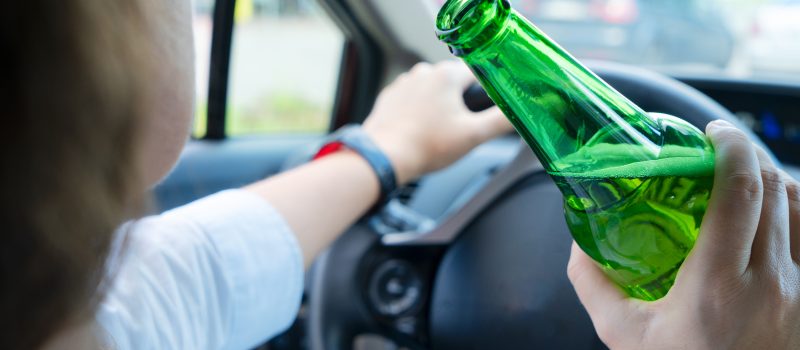
New York DMV Institutes “Forfeit After Four” Rule for Repeated DWI Convictions
Drunk Driving Charges
The New York State Department of Motor Vehicles announced a new “forfeit after four” policy. Drivers convicted of four drug-or alcohol-related driving incidents will now face the permanent loss of their New York driver’s license.
The New “Forfeit After Four” Rule
The new rule tightens up penalties for drivers who receive repeated DUI/DWI convictions. Under the previous rule, drivers did not face the permanent loss of their driving privileges until they received five convictions.
The new rule also allows the New York DMV to permanently deny a license to anyone with just three alcohol or drug-related convictions if they also have one or more additional serious driving offenses on their record. Drivers who have three DUI/DWI convictions but no other serious offenses may be denied a license for up to two years. A driver whose license is already revoked when they receive a third DUI/DWI conviction could face a five-year denial of their license.
Supporters of the new rule say that its goal is to further cut down on drunk driving. Research from the National Highway Traffic Safety Administration (NHTSA) indicates that one DUI/DWI conviction may lead to another. Drivers involved in fatal drunk driving crashes are statistically more likely to have at least one drunk driving conviction on their record, according to the NHTSA.
These new rules may have laudable goals. But they can also have serious consequences for those facing DUI or DWI criminal charges.
Serious Consequences for DUI/DWI Convictions
Loss of driving privileges is just one of the serious consequences that can follow a conviction for drunk driving or another driving offense. Yet this consequence alone can derail a person’s life.
Approximately 11.2 million vehicles are registered with the New York Department of Motor Vehicles statewide. These include 8.2 million passenger cars, 1.5 million commercial trucks, and 700,000 motorcycles and scooters.
While the New York City metro area is home to about 5.3 million vehicles, the rest are registered throughout the state of New York – including in places where public transportation is unreliable, sparse, or nonexistent.
Even in places with public transportation, this option doesn’t always adequately replace the ability to drive a vehicle. For instance, the New York Transit Center estimates that with a car, the average New York City resident can reach five times more job sites and opportunities than someone with public transportation. Access to the nearest hospital can take three or more times longer on public transportation than in a car, minutes that can mean life or death for some health conditions. High transportation fare costs can also put this option out of reach for some New Yorkers.
Outside the New York metro area, public transportation may be scarce or nonexistent. Those who live in rural areas upstate may have no options outside of driving or asking a friend to drive for them.
In short, being able to drive is an important part of life for many in New York, whether they live in urban areas or upstate. The permanent loss of a driver’s license can mean permanent costs, difficulties keeping a job, and other challenges.
Other consequences that can come with a conviction for drug- or alcohol-impaired driving include:
- Mandatory fines ranging from $500 to $10,000,
- Imprisonment ranging from 15 days to seven years,
- Mandatory suspension or revocation of one’s driver’s license.
Courts may also require drug or alcohol treatment, impose community service requirements, set probation rules, or create additional penalties. The maximum fines, imprisonment, and license suspension or revocation periods are set by state law. They change depending on the specific criminal charge of which someone is convicted.
Any drug- or alcohol-related driving charge imposes a serious burden on the person facing it. Protecting your legal rights during this period is essential. So is having access to experienced, knowledgeable legal advice and representation.
Speak to an Experienced Criminal Defense Lawyer Today
For many New York residents, driving is essential. Other transportation options may be unreliable or nonexistent. Millions of New York residents are also expected to drive as part of their jobs. The permanent loss of a driver’s license can significantly impact their continued employment or future job prospects.
If you’re facing DUI/DWI charges and the potential loss of your driving privileges, speak to an experienced New York criminal defense lawyer today. The team at the Brill Legal Group will fight to protect your legal rights.